
কিডনি স্টোনের লক্ষণ ও প্রতিকার: কবে ডাক্তার দেখানো প্রয়োজন?
লেখক: ডাঃ মোঃ নাসির উদ্দিন – অভিজ্ঞ ইউরোলজিস্ট, NIKDU কিডনি স্টোন বা কিডনিতে পাথর হলো একটি সাধারণ কিন্তু খুব কষ্টকর…
Read More
Written by
Dr Md Nasir Uddin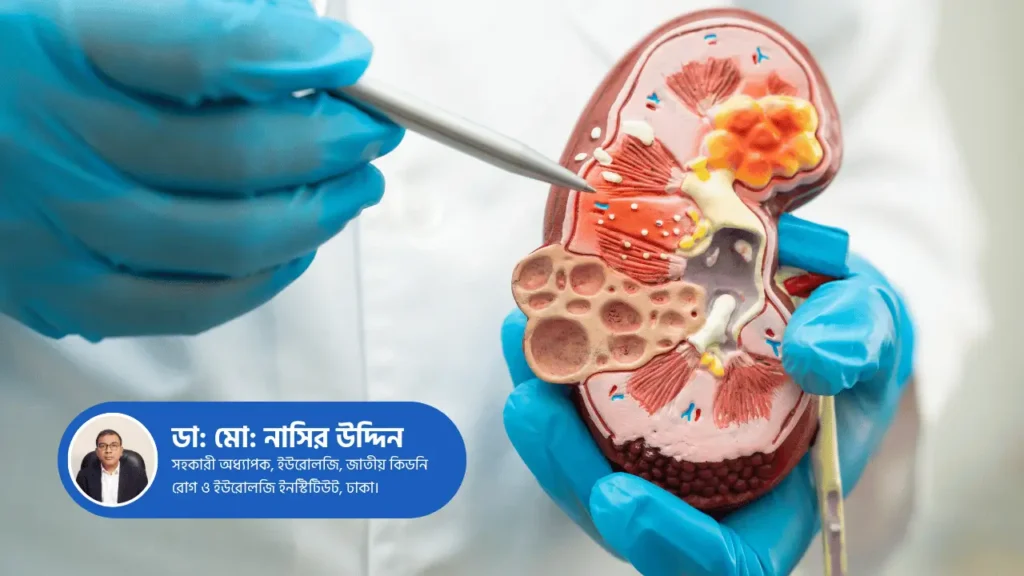
Kidneys play a vital role in filtering waste, balancing fluids, and maintaining healthy blood pressure. When these organs stop functioning properly, harmful toxins start to build up in the body — leading to kidney disease. In Bangladesh, many people ignore early kidney-related symptoms until the condition becomes severe, often leading to chronic kidney disease (CKD) or kidney failure.
Kidney disease can develop slowly over time, often without obvious symptoms in the beginning. That’s why early awareness and timely consultation with a urologist in Dhaka are essential for prevention and management.
Several lifestyle and health-related factors contribute to the rising cases of kidney problems across Bangladesh:
Understanding these causes helps you make small but crucial lifestyle changes that can protect your kidneys in the long run.
Kidney disease often develops silently. However, some early signs can help detect problems before they become serious:
If you experience one or more of these symptoms, don’t ignore them — it’s time to seek professional kidney specialist advice.
A urologist is a specialist who diagnoses and treats conditions of the urinary tract and male reproductive system. In the case of suspected kidney disease, a urologist will perform several tests to identify the underlying problem:
Through these assessments, the doctor can identify whether the problem is acute, chronic, or related to another condition such as kidney stones or urinary obstruction.
The treatment plan for kidney disease depends on the underlying cause and its stage. Common approaches include:
Lifestyle tips for healthy kidneys:
Small changes today can prevent major kidney complications tomorrow.
When it comes to kidney health, early intervention makes all the difference. Dr. Md. Nasir Uddin, MBBS, BCS, FCPS, is a highly qualified Urology Specialist & Surgeon based in Dhaka. He serves as an Assistant Professor in the Department of Urology at the National Institute of Kidney Diseases & Urology, where he provides expert care for patients suffering from kidney, prostate, ureter, and bladder conditions.
With years of experience in diagnosing and treating complex urological disorders, Dr. Nasir Uddin focuses on personalized treatment, modern diagnostic methods, and preventive guidance. Patients benefit from his compassionate approach, precise diagnosis, and commitment to long-term kidney health.
If you are experiencing any of the symptoms mentioned above, or if you have diabetes, high blood pressure, or a family history of kidney problems — consulting Dr. Nasir Uddin early can help prevent irreversible kidney damage and ensure timely management.
Kidney disease is often called a “silent killer” because it develops quietly. Recognizing the early signs of kidney disease — such as back pain, urine changes, or swelling — and seeking prompt medical advice can save your kidneys from long-term harm.
For reliable kidney specialist advice in Bangladesh, schedule a consultation with Dr. Md. Nasir Uddin, a trusted urologist in Dhaka who offers advanced, patient-focused care for all kinds of urological and kidney-related conditions.
Stay updated with the latest urology tips, guides, trends and insights on kidney and urinary health, treatments, and preventive care.
লেখক: ডাঃ মোঃ নাসির উদ্দিন – অভিজ্ঞ ইউরোলজিস্ট, NIKDU কিডনি স্টোন বা কিডনিতে পাথর হলো একটি সাধারণ কিন্তু খুব কষ্টকর…
Read More
Understanding Nocturia (Frequent Night Urination): Waking up several times at night to urinate may seem like a small problem at…
Read More
The prostate gland is a small, walnut-shaped organ located below the bladder in men. Its primary role is to produce…
Read More
Kidneys play a vital role in filtering waste, balancing fluids, and maintaining healthy blood pressure. When these organs stop functioning…
Read More