
কিডনি স্টোনের লক্ষণ ও প্রতিকার: কবে ডাক্তার দেখানো প্রয়োজন?
লেখক: ডাঃ মোঃ নাসির উদ্দিন – অভিজ্ঞ ইউরোলজিস্ট, NIKDU কিডনি স্টোন বা কিডনিতে পাথর হলো একটি সাধারণ কিন্তু খুব কষ্টকর…
Read More
Written by
Dr Md Nasir Uddin
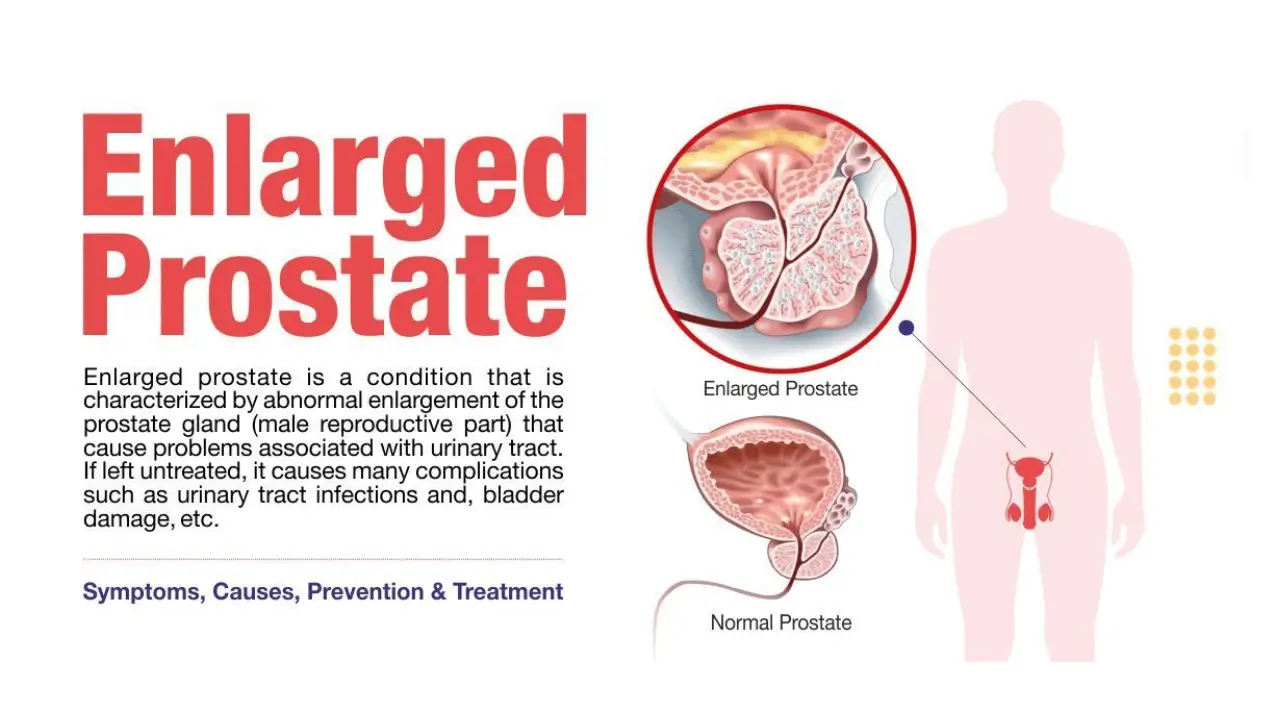
The prostate gland is a small, walnut-shaped organ located below the bladder in men. Its primary role is to produce fluid that nourishes and transports sperm. As men age, the prostate naturally tends to grow larger — a condition known as Benign Prostatic Hyperplasia (BPH) or prostate enlargement.
BPH is not cancerous, but it can cause uncomfortable urinary problems and affect daily life. It is one of the most common urological conditions among men over 40 in Bangladesh. Early recognition and proper medical attention can prevent serious complications such as bladder stones, infections, or even kidney damage.
The symptoms of prostate enlargement develop gradually. Many men ignore them at first, thinking it’s just a part of aging — but these signs can indicate that the prostate is pressing against the urethra and blocking urine flow.
Typical symptoms include:
If you notice these symptoms, it’s essential to consult a urologist in Dhaka to determine whether it’s BPH or another underlying issue such as infection or prostate cancer.
The exact cause of BPH isn’t fully understood, but several factors contribute to its development:
Being aware of these factors helps men in Bangladesh take preventive steps early — including regular health check-ups and lifestyle improvements.
The treatment of prostate enlargement depends on the severity of symptoms and how much the condition affects daily life.
1. Medical Treatments:
In early or mild cases, medication can effectively manage symptoms. Common drugs include:
Lifestyle modifications — like reducing caffeine and alcohol intake, limiting evening fluids, and urinating regularly — can also help reduce discomfort.
2. Surgical Treatments:
When medications no longer work or symptoms become severe, surgery may be needed. Traditional surgical options include TURP (Transurethral Resection of the Prostate), which removes part of the enlarged prostate to relieve blockage.
Today, many modern urologists in Dhaka like Dr. Md. Nasir Uddin use advanced, minimally invasive techniques that offer faster recovery, less bleeding, and fewer complications compared to traditional surgery.
Some of the most effective options include:
These procedures allow patients to return home quickly — often the same or next day — and resume normal activities within a short period.
In Bangladesh, many men hesitate to discuss urinary or prostate-related issues due to embarrassment or social stigma. Unfortunately, delaying treatment often leads to serious complications such as:
Seeking early prostate treatment in Bangladesh not only relieves discomfort but also prevents long-term health damage. Regular prostate check-ups after age 40 can make a life-changing difference.
Dr. Md. Nasir Uddin, MBBS, BCS, FCPS, is a highly experienced Urology Specialist & Surgeon and Assistant Professor at the National Institute of Kidney Diseases & Urology, Dhaka. He specializes in the diagnosis and treatment of urological problems including prostate enlargement, kidney diseases, urinary tract disorders, and male reproductive health.
Patients trust Dr. Nasir Uddin for his expertise in modern minimally invasive BPH surgeries and patient-centered approach. His goal is to ensure safe, effective, and long-lasting relief for men suffering from prostate issues.
Whether you’re experiencing weak urine flow, frequent nighttime urination, or discomfort, a timely consultation with Dr. Nasir Uddin can help you regain confidence and restore your urinary health.
Prostate enlargement (BPH) is a common but manageable condition — especially when diagnosed early. With modern laser and minimally invasive techniques now available in Dhaka, men no longer need to live with discomfort or fear.
If you’re searching for the best urologist for prostate treatment in Bangladesh, consider consulting Dr. Md. Nasir Uddin, who offers expert guidance, advanced surgical care, and personalized treatment plans for lasting recovery and improved quality of life.
Stay updated with the latest urology tips, guides, trends and insights on kidney and urinary health, treatments, and preventive care.
লেখক: ডাঃ মোঃ নাসির উদ্দিন – অভিজ্ঞ ইউরোলজিস্ট, NIKDU কিডনি স্টোন বা কিডনিতে পাথর হলো একটি সাধারণ কিন্তু খুব কষ্টকর…
Read More
Understanding Nocturia (Frequent Night Urination): Waking up several times at night to urinate may seem like a small problem at…
Read More
The prostate gland is a small, walnut-shaped organ located below the bladder in men. Its primary role is to produce…
Read More
Kidneys play a vital role in filtering waste, balancing fluids, and maintaining healthy blood pressure. When these organs stop functioning…
Read More